Brandon Adan Molina
Loyola Marymount University Journalism Capstone 2026
The High Price of Music: Who Really Profits?
By: Brandon Adan Molina
Transcript
October, 2023. Walking the steps of Kia Forum in Inglewood. A stadium of 17,500. Concert goers wearing metal jackets, eye-liners. A happiness eroded the air. The unusual Projected on the side screens
“IN QUESTO SHOW SARANNO UTILIZZATI LUCI ED EFFETTI STROBOSCOPIC” Italian for…
“STROBE LIGHTS AND EFFECTS WILL BE USED DURING THIS SHOW”. I’ll never forget the thrill of seeing a new act, when the lights begin to dim, and the curtain drops. The rush of distorted and raw guitar riffs with a fresh, young energy. The words “Dance dance until i die” never encapsulated the action like ever before. They were Maneskin. It’s a concert I still look back on to this day. One of my favorites of all time because it was purely an accidental surprise in attendance after winning free tickets. Convincing me to see more rising artists in concert. Yet, it got me thinking Maneskin started in 2016 but didn’t find a pinnacle of success till seven years later. What type of problems are current rising artists are having? Is this the death of the middle-class artist? Do you wonder what it takes to be a musician? What’s it like to perform? What success awaits them? I’m Brandon Molina reporting on the arts and we’re answering these questions and many more on the episode today. We’ll do a deep dive into the financial machinery of the music industry. We’ll look at the lending practices of record distributors and the reality of streaming. But before we fly to the sky, we have to look down at the ground.
Evelyn McDonell: Yeah, I mean, it’s always been an issue for anyone working in the arts in the United States. Right.
Host (Brandon Molina): Evelyn McDonell, professor of journalism and news media at Loyola Marymount University. Built a career as a Music reporter interviewing a plethora of acts from Patti Smith, Jay Z, and Beyonce over the years.Gives her take on the current local music scene.
Evelyn Mcdonell: It’s in the sixties when we had a booming economy and we had a baby boom, we also had a musical boom. And those things are related. I think it was much easier to go live in the Canyon in Laurel Canyon
Host (Brandon Molina): A neighborhood in Los Angeles. Near Universal Studios and overlooking Beverly Hills.
Evelyn Mcdonell: and have a bohemian scene and not be worried about money and have your music scene. It’s a lot harder to do that right now. Especially in la. Our rents are so high you have to have a car if you live here. And the payoff is so uncertain. You know, it’s really about live music, at this point. Right. Because you’re not going to make your money from Spotify, you know, which is really a shame. And you know, it’s hard to sell records too. Right. Being an artist in America is the lottery system. It has been for a long time.
Host (Brandon Molina): Which is the sentiment of some artists already
[Quick montage of assembled audio clips from the past interviews- Fast cuts. Added static sound for classic radio effect of turning the station knob]
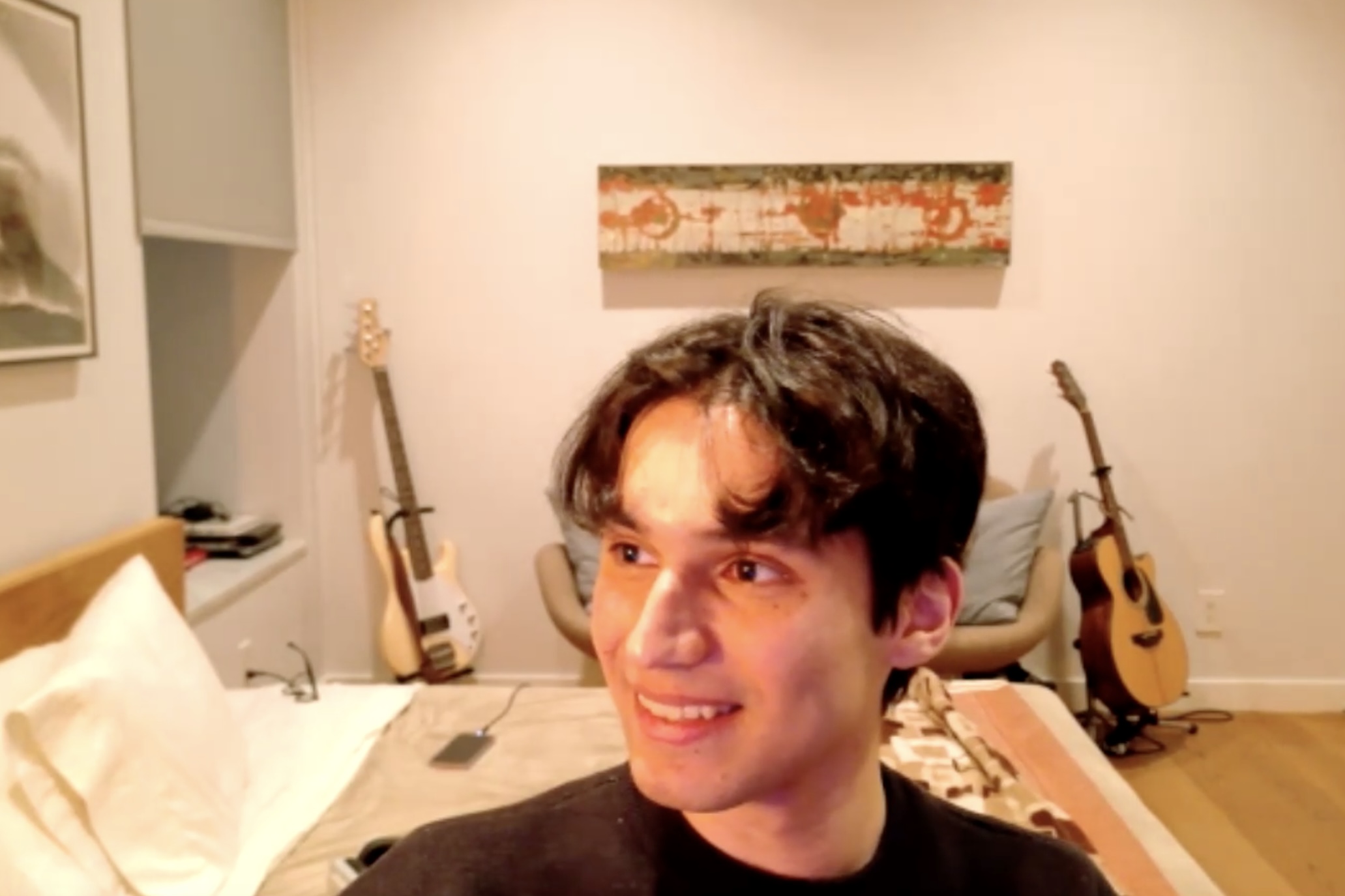
Acloudyskye: “To Tell you the Truth”. “I want to be a rockstar. Famous. I want to make music like this”.
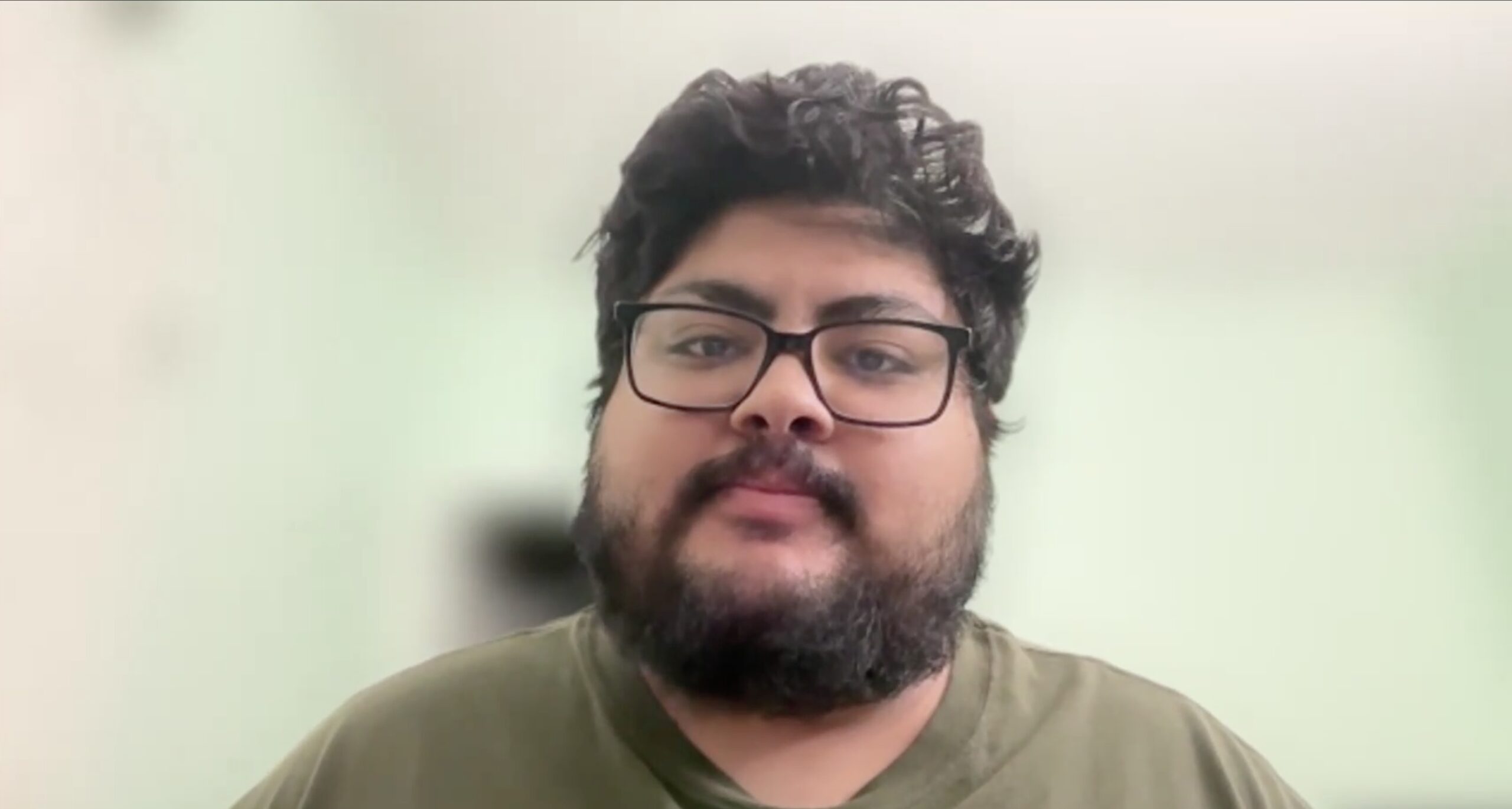
Cameron Khan: “California is… extremely expensive.”
“I’m into burnout-I need to make more than enough to cover the bills to take time and a vacation. I’m definitely a hyper achiever.”
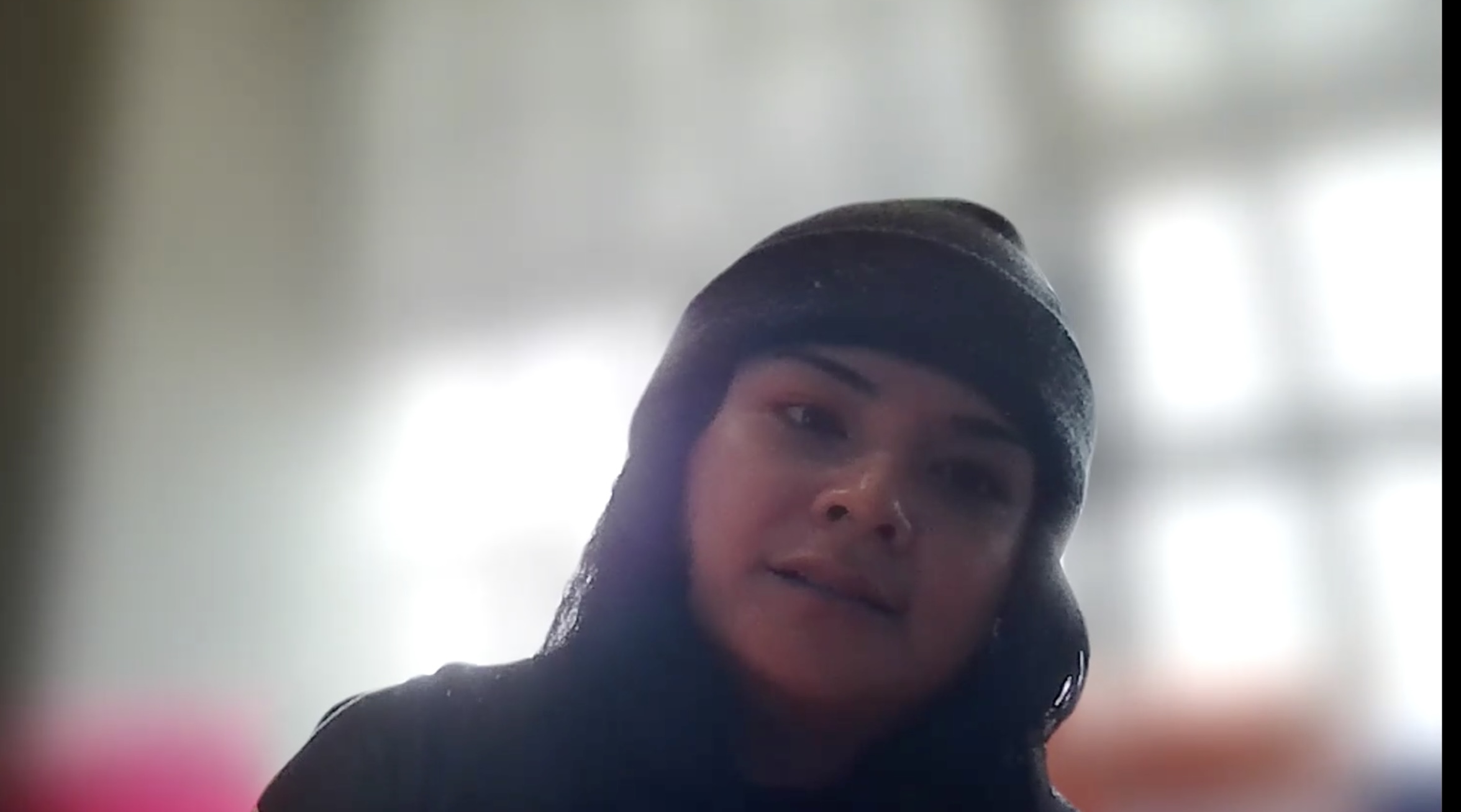
Stella Prince: “When I was 14, I kind of started going on tour and booking my own tours, and I would play everywhere, and the majority of the shows were for free. I did not get paid, or I would have to pay, you know, and that was really the first maybe two years”.
Host (Brandon): This is Stella Prince, age 21. A rising full-time musician in 2026. She recently made the trek from country music city Nashville, Tennessee to Sunnyside, Los Angeles, California. Nashville is often seen as the “affordable” alternative in Stella’s eyes. But “affordable” is a relative term for desirable when the price is too high to pay. A 2020-2024 study by the United States Census Bureau found Nashville’s Median Gross rent to be $1,586.
STELLA PRINCE: “I’ve always wanted, more than anything, to make sure that all I had to do was music… But that also means constant travel, constant touring, constant hustling, and it puts way more pressure on you.”
HOST (Brandon): Prince, is up against the median price tag of $1,933/month of rent in the city of Los Angeles. To survive here, a musician needs to earn a “living wage” of roughly $50,000 a year and an estimated $73,403 to $97,468 to live in major cities like Los Angeles or San Francisco. You must be asking, “Hey Brandon, an artist is an entrepreneur in a sense of forking start-up costs but just like a financer, wouldn’t musicians too have returning investments? Are you correct? For the average person the answer automatically comes up, streaming. Spotify or Apple Music as the lucrative payments. But for the artist, those platforms aren’t a paycheck—they’re a digital business card.
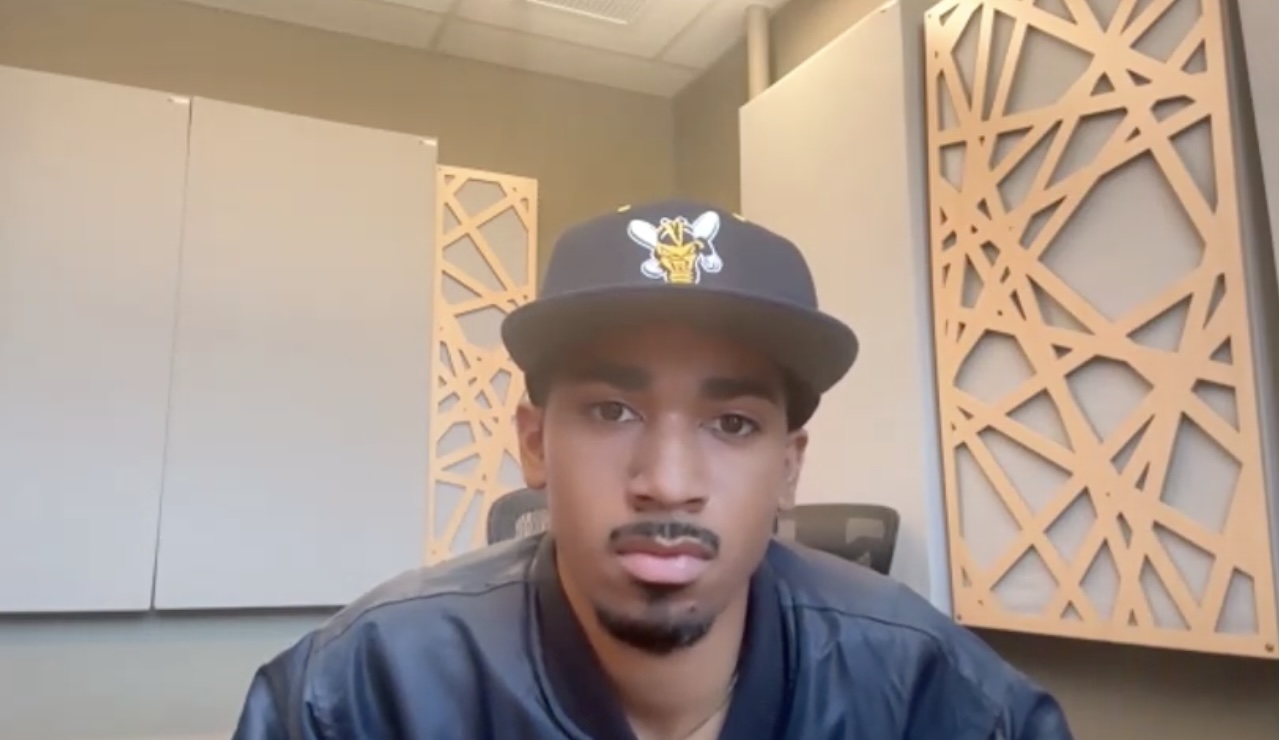
NAT LEE: “Distrokid pays roughly 0.003 cents per stream. If you decide to unsubscribe… they won’t take it down from the internet unless you choose a closing fee option.”
HOST (Brandon): Time out! What? $0.003 of one cent pers stream? Is this true? Let’s do the math. If you earn $0.003 per stream, an artist needs 733,000 streams. Every. Single. Month to narrowly pay for a $2,200 two-bedroom apartment in Los Angeles just to keep the lights on. This financial pressure creates a new kind of geography. It’s why artists like Cameron Khan don’t actually live in the metropolitan city they call home.
CAMERON KHAN: “I would say it’s for me, how I value success… being able to make a living on this. L.A. is extremely expensive.”
HOST (Brandon): Cameron, “age 27” lives in the Inland Empire, commuting hours into the city to find the “community” that doesn’t exist anywhere else.
CAMERON KHAN: “Increase streaming royalties. Right now artists can be paid 0.003%.
HOST (Brandon): At the same time, he’s been working part time as a cashier in a Burlington store since September 2023 while completing his bachelor’s degree in Business Administration at Cal State Fullerton in July 2026. The common thread here is a phrase I kept hearing: Opportunity outweighs affordability. Is the LA scene becoming a playground only for those who have wealth? Musicians are willing to starve off other careers; because they believe in healing the world. It’s their instrumental, sound writing pieces that is essential to live. A craft to preserve forever. There are places to help a fellow musician excel…one of those being college radio stations like KXLU 88.9 FM. Speaking with their general manager Brett Kohen on how acts can submit their songs to the station. From artists
Brett Kohen: We get a lot of physical submissions sent in. Digital through emails. And any LA bands you have contact with, you’re adding them and cultivating the relationship with them.
Host: (Brandon Molina): Another outlet is Grammy U spoke to by Harrison Candelario
[Theme Music Swell]HOST (Brandon): This is Brandon Molina, signing off.
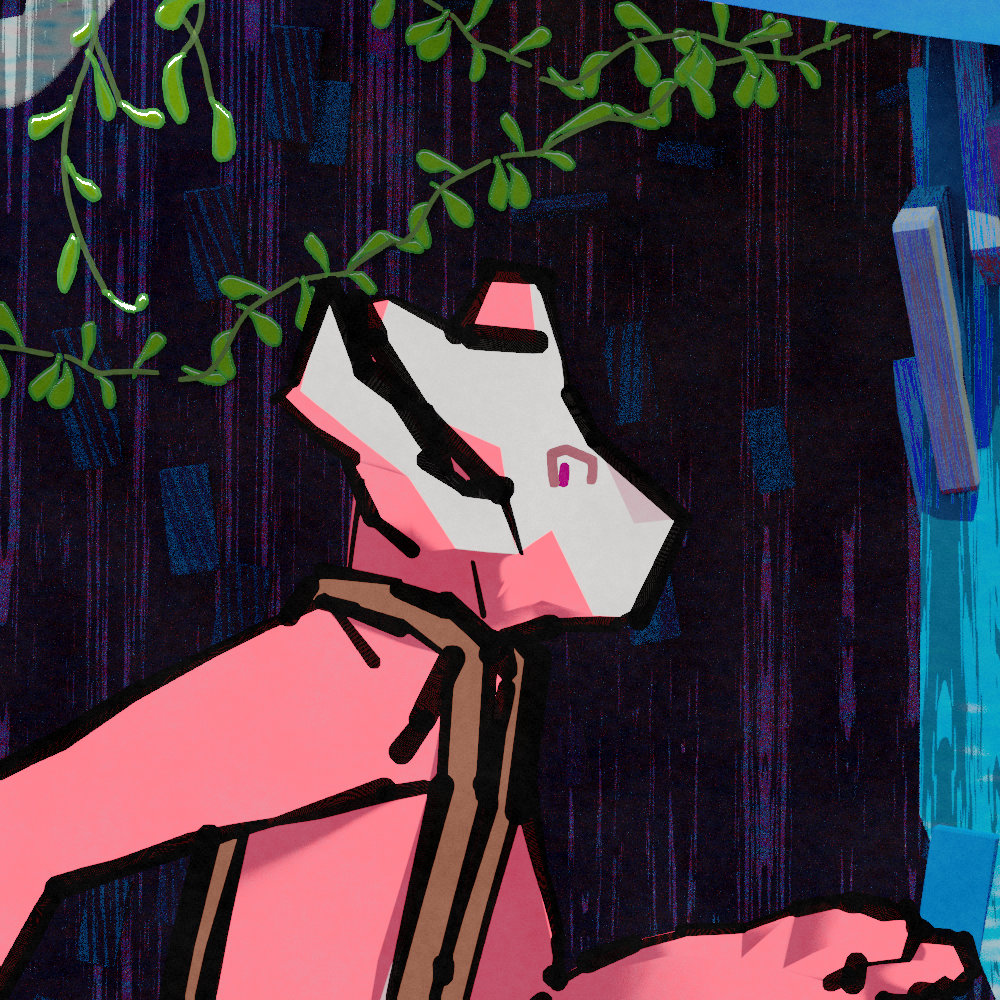
Left photo is ACloudySkye logo design
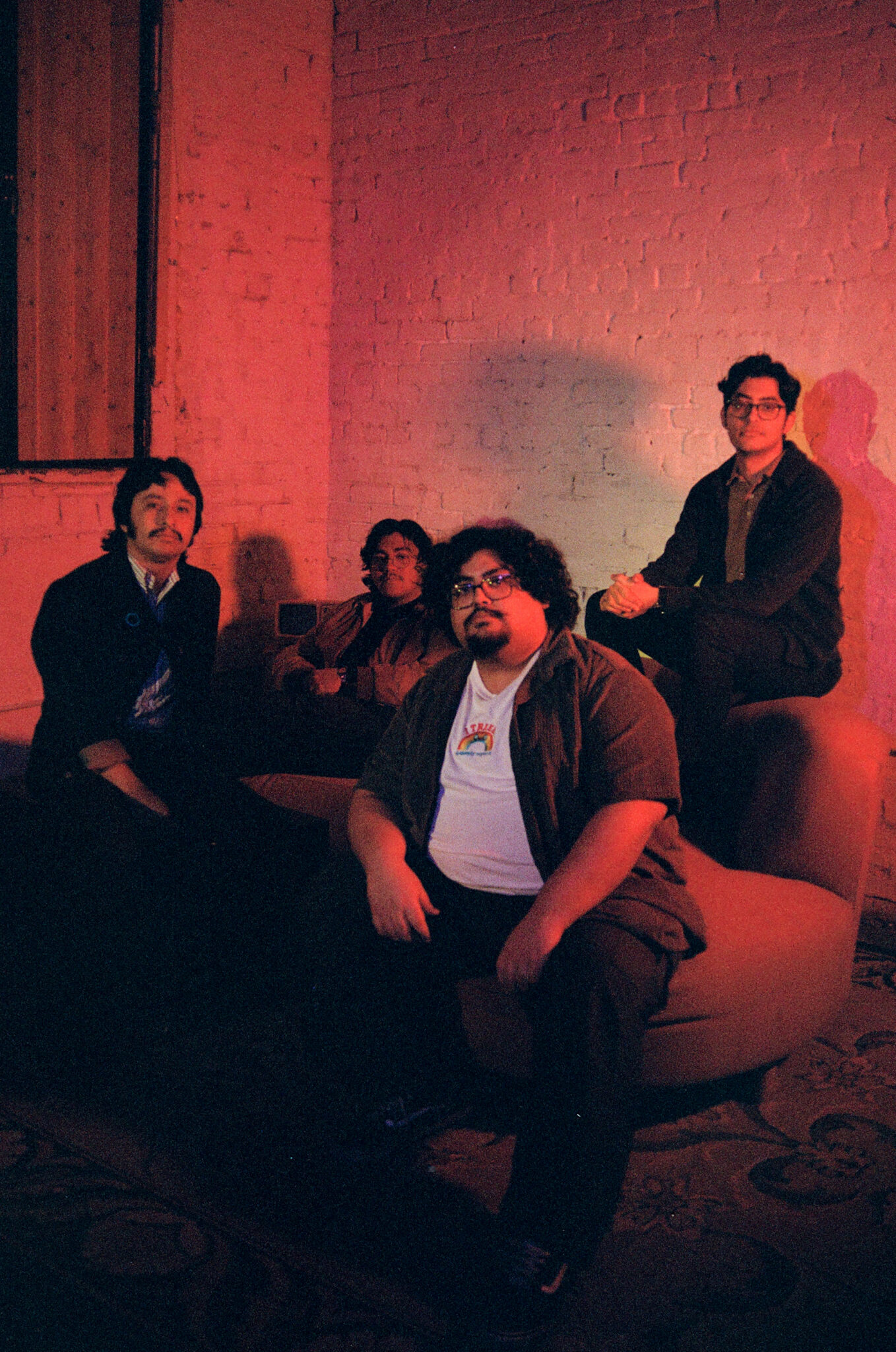
Picture of entire .Com line up (Photo by Karina De Leon, @filmsimp): Cameron Khan, Noah Reynose, Leeroy Queripa, and Abe.

Stella Prince (photo credit Stella Prince)

Heidi Aderman (Photo credit Heidi Aderman)
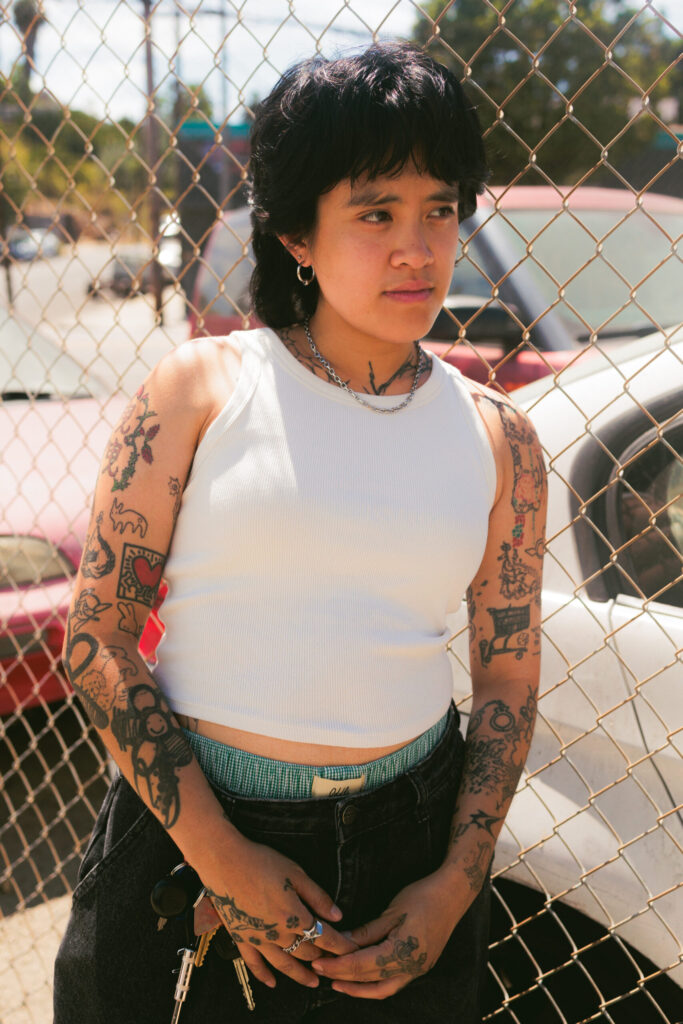
Nat Lee aka “Where is Manley” (Photography by Jon Del Real.)
Our projects
Left to Right, Cameron Khan of .COM, Acloudyskye, Harrison Candelario of Grammy, and Fran Magsalin of Goldenvoice
What to know
The Facts
Evolving Economics
With the rise of Streaming platforms of Spotify, Apple Music, oversaturation occurred of the easy access to become an artist posting music. Leading to more competition. With Less and less people being able to sustain themselves from music devalue. Labels negotiated deals with streaming without artist consent. Utilizing algorithms to determine who listeners hear and succeed in driving a song ‘s notoriety.
Cost of the lifestyle
Starting out is a huge investment. Requiring sacrifices. is at the top of everyone’s mind. Paying college tuition, reinvesting money into marketing, paying musicians, and traveling to foreign countries of larger audiences.